Selecting a suitable litter box is key to your cat’s comfort and health. Here’s a comprehensive guide based on insights from veterinarians, feline behavior experts, and reputable pet organizations.
1. Size & Space: Let Your Cat Move Freely
- Large enough for turning around: The box should be spacious enough for your cat to stand, sniff, dig, and turn comfortably. A common recommendation is to choose a box at least 1.5 times the length from nose to tail base.
- Many standard boxes are too small—oversized storage bins are often better alternatives .
2. Open vs. Covered vs. Top-Entry: Matching Design to Cat Preference
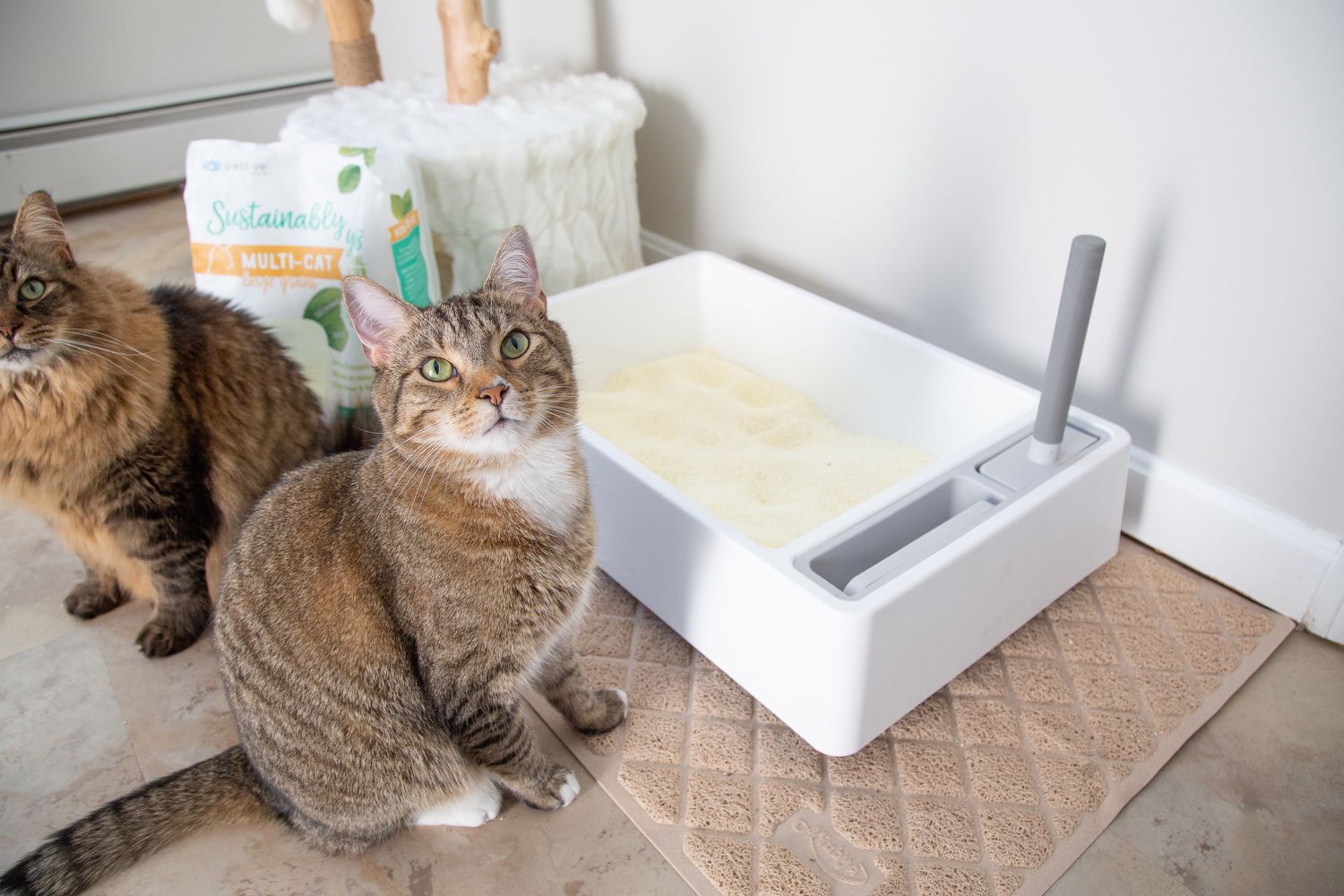
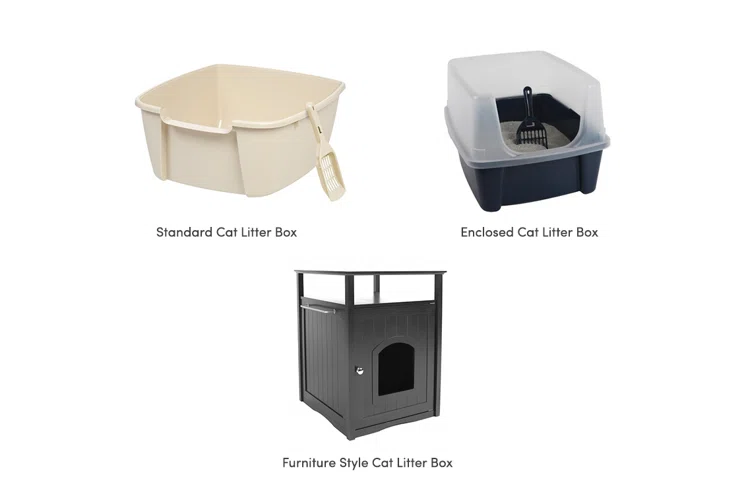
- Open trays: Most cats prefer these as they offer full visibility and easy access. They also help you monitor your cat’s health and waste output .
- Covered boxes: While they reduce odor and mess, many cats dislike the confinement or trapped smells, and may avoid using them.
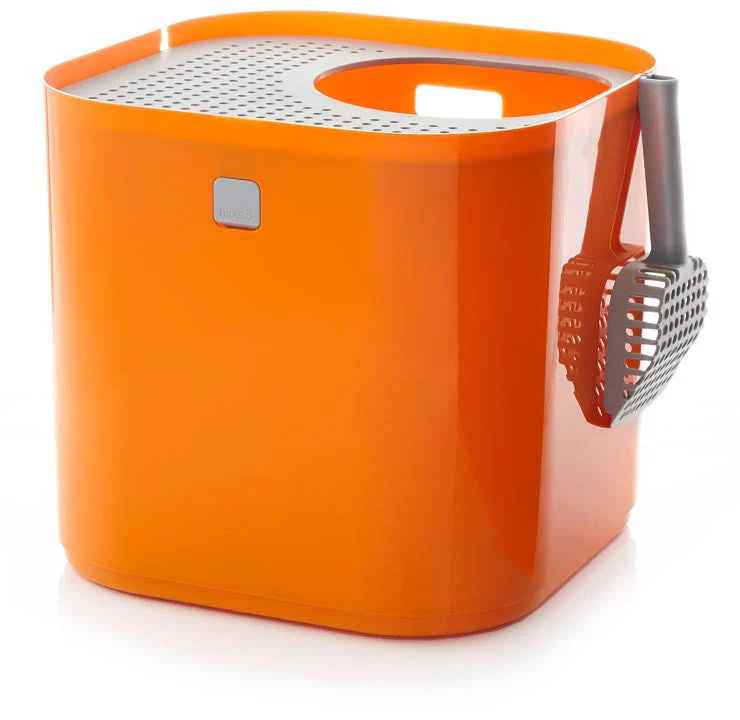
- Top-entry boxes: Help contain litter but can cause anxiety in cats (and are unsuitable for kittens, older cats, or those with mobility issues) .
3. Number & Placement: Avoid Litter Box Conflicts
- “Cats + 1” rule: Have one litter box per cat plus one extra to prevent competition and stress, particularly in multi-cat households.
- Location matters: Place boxes in quiet, low-traffic areas where your cat feels safe and can easily enter and exit. Avoid machines that may startle them (e.g., washing machines) .
4. Accessibility & Cat Needs
- Low sides for kittens or seniors: For mobility-challenged or young cats, opt for low-entry designs—roughly 2½ to 3½ inches high.
- High walls for messy or tech-savvy cats: Cats prone to digging or kicking litter benefit from high-sided boxes that help contain the mess.
5. Self-Cleaning Boxes: Proceed with Caution
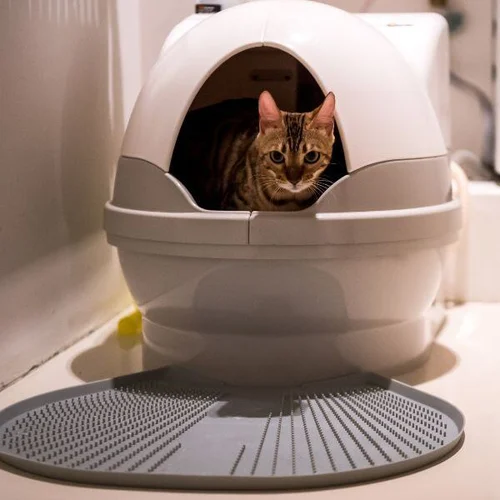
- Automation has pros and cons: While self-cleaning boxes reduce manual scooping and help with odor, they can be noisy, stressful for cats, and may limit a pet parent’s ability to monitor health signs in the litter.
- Some behaviorists strongly discourage them for sensitive or anxious cats.
6. Expert Tips & Best Practices
| Tip | Why It Matters |
|---|---|
| Measure your cat | Ensures sufficient space—a box should allow free movement. |
| Avoid enclosed designs by default | Most cats dislike them; they can also restrict air flow and smell management. |
| Provide multiple boxes in separate locations | Reduces stress and territorial issues among cats. |
| Choose accessible entrances | Especially important for kittens or aging cats. |
| Test preferences | Let your cat decide—observe which box they favor. |
| Clean regularly | Avoid buildup and odor, especially in covered boxes. |
| Avoid heavy automation unless needed | Self-cleaning boxes are not ideal for all cats. |
Final Takeaway
The ideal litter box is one that blends the right size, accessibility, and layout, tailored to your cat’s personality, age, and environment. Open trays are typically the easiest to accept and keep clean. Make sure to provide enough boxes in safe, peaceful locations to support both single and multi-cat households.